
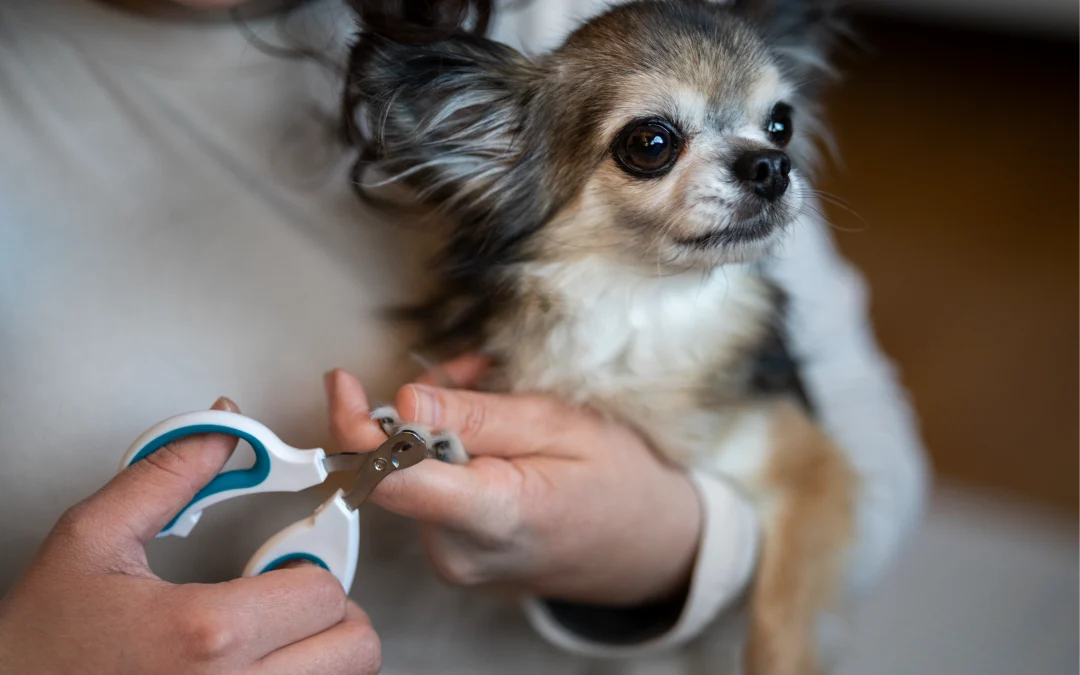
When most people think about dog grooming, they picture baths, brushing, or a stylish haircut. Nail trimming often gets overlooked, yet it’s one of the most important parts of your dog’s care. Overgrown nails don’t just look untidy -they can cause pain, affect mobility, and even lead to long-term health problems.
In this beginner’s guide, we’ll explore why nail trimming matters so much, how often you should do it, what tools to use, and how to make the process easier and less stressful for both you and your pup.
Why Nail Length Matters for Dogs
Long nails can press into your dog’s paw pads, causing discomfort with every step. Over time, this can change the way your dog walks, putting pressure on joints and leading to posture problems. In severe cases, overgrown nails can split or curl into the paw, which is both painful and dangerous.
By keeping nails trimmed to the right length, you help your dog move naturally and comfortably. Think of it as giving them the right footwear -because walking on long nails is like wearing shoes that are two sizes too small.
How Often Should You Trim Your Dog’s Nails
The frequency depends on your dog’s activity level and lifestyle. Active dogs who walk regularly on pavements may naturally wear down their nails and need fewer trims. Less active dogs, or those who mainly walk on grass, may need more frequent attention.
A good rule of thumb is to check your dog’s nails every two to four weeks. If you hear clicking sounds when they walk on hard floors, it’s definitely time for a trim.
Choosing the Right Tools
There are several tools available for trimming dog nails, and the right choice depends on your comfort and your dog’s temperament.
Guillotine-style clippers are easy to use for small to medium dogs.
Scissor-style clippers work well for larger, thicker nails.
Nail grinders are a great option if you’re nervous about cutting too short. They gently file the nail down, which is safer but takes more time.
Always use tools designed for dogs -human nail clippers are not suitable and can cause damage.
How to Trim Nails Safely
The biggest fear owners have is cutting into the quick -the sensitive blood vessel inside the nail. To avoid this, trim small amounts at a time. If your dog has light nails, the quick is visible as a pink section. For dark nails, go slowly and look for a change in texture in the nail.
If an accident happens and you nick the quick, don’t panic. Have styptic powder on hand to stop bleeding quickly. Calm reassurance and a treat afterward help your dog recover from the experience.
Making Nail Trimming Stress-Free
Not all dogs enjoy nail trims, but you can make the process easier. Start by getting your dog used to having their paws handled -give a gentle massage and reward them for staying calm. Gradually introduce the clippers or grinder without using them, so your dog sees the tool as non-threatening.
Short, positive sessions are more effective than long battles. Over time, your dog will associate nail trimming with treats and praise, making the experience less stressful. If your dog remains anxious, a professional groomer or vet can handle the job safely and quickly.
The Benefits of Regular Nail Care
Trimming nails regularly doesn’t just keep your dog looking neat. It improves comfort, supports healthy movement, reduces the risk of injury, and even makes playtime safer -no sharp claws scratching floors, furniture, or people.
It’s a simple task with big benefits, and when done consistently, it becomes an easy part of your grooming routine.
Conclusion
Nail trimming may seem small, but it plays a huge role in your dog’s health and comfort. With the right tools, a gentle approach, and a little patience, you can keep your dog’s nails at a safe length and avoid painful problems down the road.
So grab the clippers, take it slow, and make nail care a positive experience. Your dog will walk happier, healthier, and more comfortably -and your floors and furniture might thank you too.
Recent Comments